
Doppstadt Slow-Speed Shredders: Uses, Benefits and Choosing the Right Model
September 23, 2026
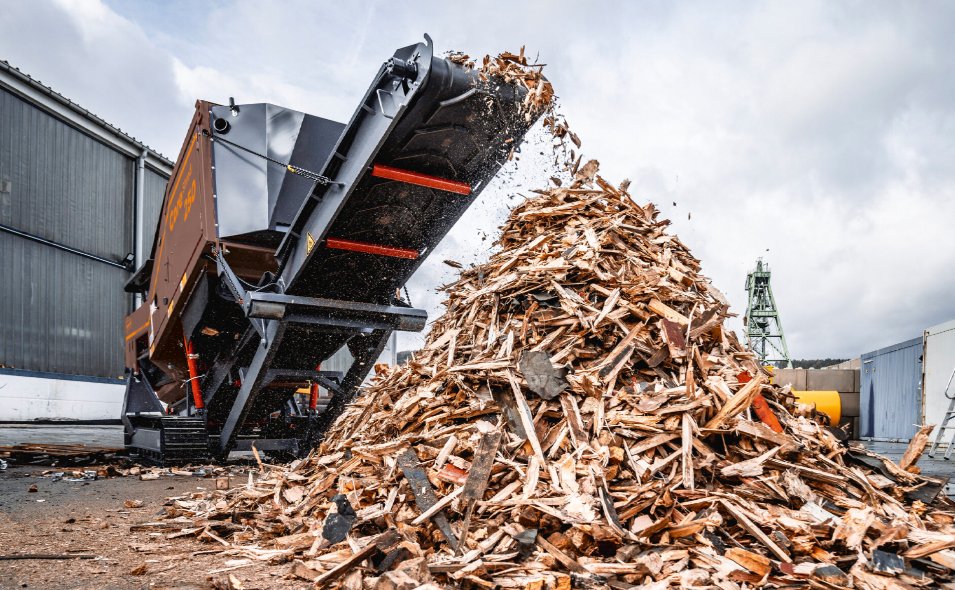
What Is a Slow-Speed Shredder?
When you are processing bulky, mixed or contaminated material, reducing it to a manageable size is often the first challenge.
Slow-speed shredders are designed for primary volume reduction. Instead of relying on high rotor speeds, they use high torque and controlled shaft speeds to tear, break and reduce difficult materials. This makes them well suited to materials that can be challenging for conventional high-speed grinding equipment.
The resulting material can be easier to transport, screen, sort or send through additional processing equipment.
Doppstadt offers two different approaches to slow-speed shredding: the single-shaft INVENTHOR series and the twin-shaft CoreShred series. Together, the lineup provides options for a wide range of material streams and processing volumes.
What Materials Can Slow-Speed Shredders Process?
The versatility of slow-speed shredders makes them useful across recycling, construction, waste management, forestry and composting operations.
Common applications include:
- Construction and demolition waste: Reduce bulky C&D debris before screening, sorting or further processing.
- Waste wood: Process demolition wood, pallets, dimensional lumber and other recovered wood products.
- Green waste: Break down branches, roots, stumps and other organic materials before screening, grinding or composting.
- Commercial and mixed waste: Reduce inconsistent and bulky waste streams to improve handling and downstream separation.
- Tires and rubber: Twin-shaft configurations can be equipped for difficult rubber and scrap tire applications.
- Paper, cardboard and specialty materials: Depending on the machine and shredding configuration, Doppstadt equipment can process a wide variety of additional materials.
For many operations, shredding is not the final step. It is about creating a more manageable and consistent feed material for the next stage of the process.
Why Use a Slow-Speed Shredder?
Handle Difficult Material
Waste streams are rarely clean or consistent. Construction debris can contain metal. Green waste can include large roots and stumps. Commercial waste can vary significantly in size, density and composition.
The low-speed, high-torque approach is designed for these demanding conditions. Doppstadt shredders can also be configured for different materials, allowing operators to adapt the machine as processing requirements change.
Reduce Material Volume
Bulky material takes up valuable space in a yard, container or truck.
Reducing material before transportation or further processing can make stockpiles easier to manage and improve the efficiency of loading, hauling, screening and sorting operations.
For facilities processing substantial volumes of material, primary size reduction can become an important part of keeping material moving through the site.
Protect Downstream Equipment
Pre-shredding can also help prepare difficult material before it reaches screens, grinders and separation equipment.
Rather than sending oversized and irregular feedstock directly into the next machine, a slow-speed shredder creates a more manageable material stream. Optional magnetic separation systems can also help remove ferrous metal after shredding.
Adapt to Changing Material Streams
One of the key advantages of Doppstadt's slow-speed shredder lineup is flexibility.
INVENTHOR machines use configurable shredding systems and Doppstadt's VarioDirect Drive, allowing shaft speed to be adapted to different shredding tasks. CoreShred machines use twin-shaft systems with different shaft configurations available for different applications.
That flexibility can be valuable for contractors and recycling operations that process more than one type of material.
Single-Shaft vs. Twin-Shaft Shredders
Choosing between a single-shaft and twin-shaft shredder starts with understanding the material being processed.
The Doppstadt INVENTHOR series uses a single shredding shaft working against a comb. It is designed for demanding pre-shredding applications including waste wood, green waste, mixed construction waste and commercial waste.
The Doppstadt CoreShred series uses two counter-rotating shredding shafts. Different shaft configurations allow these machines to tackle a particularly broad range of applications, including C&D waste, commercial waste, tires, waste wood and other difficult material streams.
Neither design is simply a bigger or smaller version of the other. The right choice depends on material type, processing volume, desired output and what happens to the material after it leaves the shredder.
Meet the Doppstadt Slow-Speed Shredder Lineup
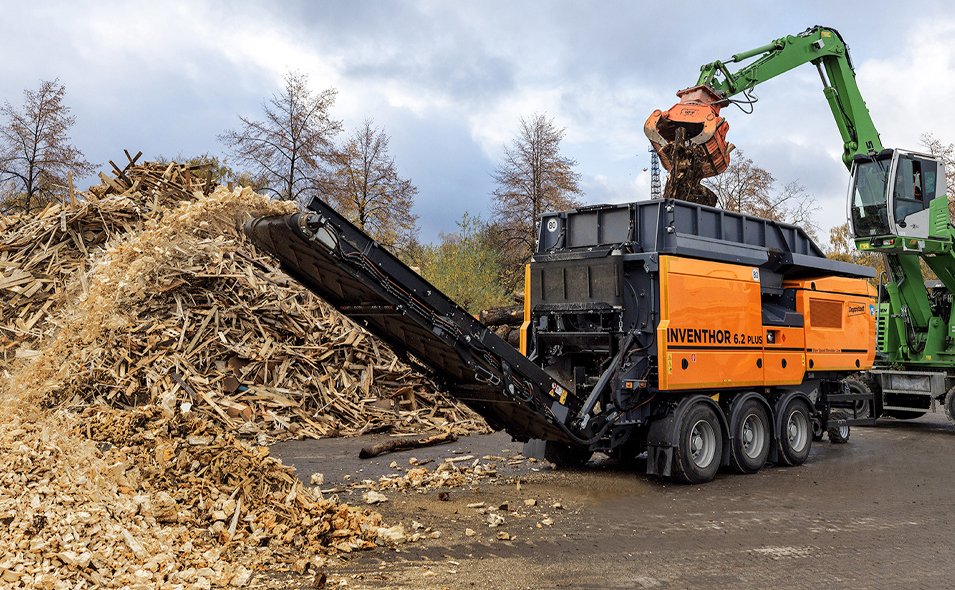
Doppstadt INVENTHOR 6.2
The INVENTHOR 6.2 is a versatile single-shaft slow-speed shredder designed for applications including waste wood, green waste, construction waste and commercial waste.
Powered by a 354 HP engine, it combines Doppstadt's VarioDirect Drive with configurable shredding systems, accessible service areas and flexible material handling. It is a strong option for operations that need one primary shredder to handle a range of materials.
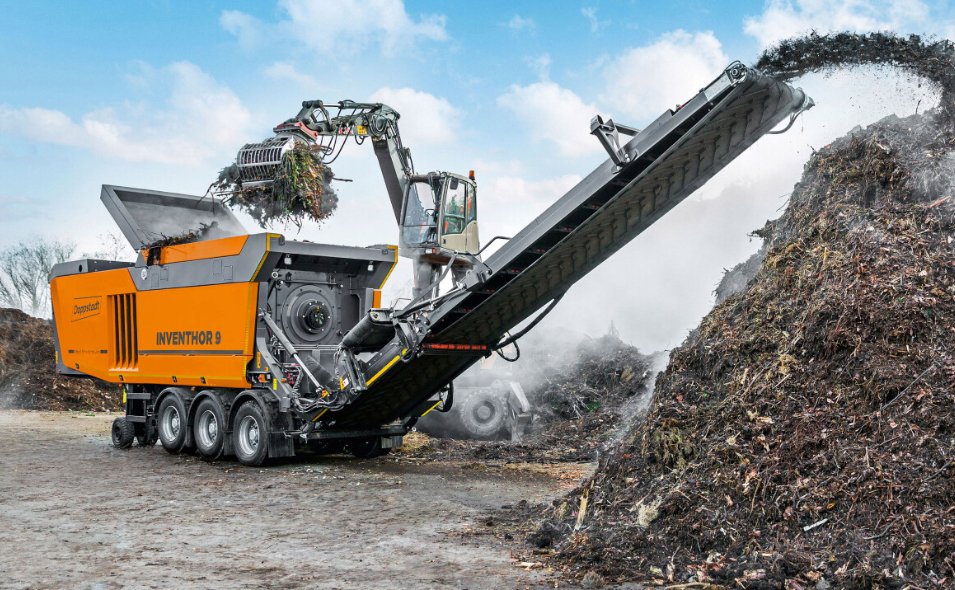
Doppstadt INVENTHOR 9
For larger processing requirements, the INVENTHOR 9 increases available power to 530 HP and uses a larger 9 ft 10 in shredding shaft.
Designed for major shredding jobs, it combines high capacity with multiple shredding configurations and Doppstadt's VarioDirect Drive. It is suited to high-volume operations processing demanding materials such as waste wood, green waste, commercial waste and C&D material.
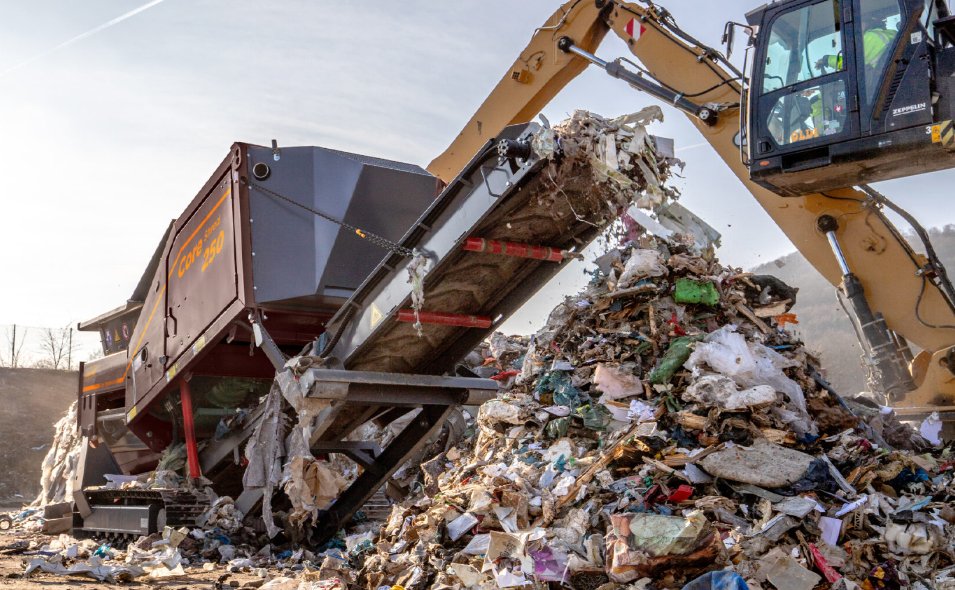
Doppstadt CoreShred 250
The CoreShred 250 brings Doppstadt's twin-shaft shredding system into a compact and mobile package.
With 214 HP and interchangeable shaft configurations, it can be adapted for materials ranging from C&D debris and waste wood to commercial waste and other difficult feedstock. Its smaller footprint makes it particularly useful for mobile processing and operations with lower material volumes.
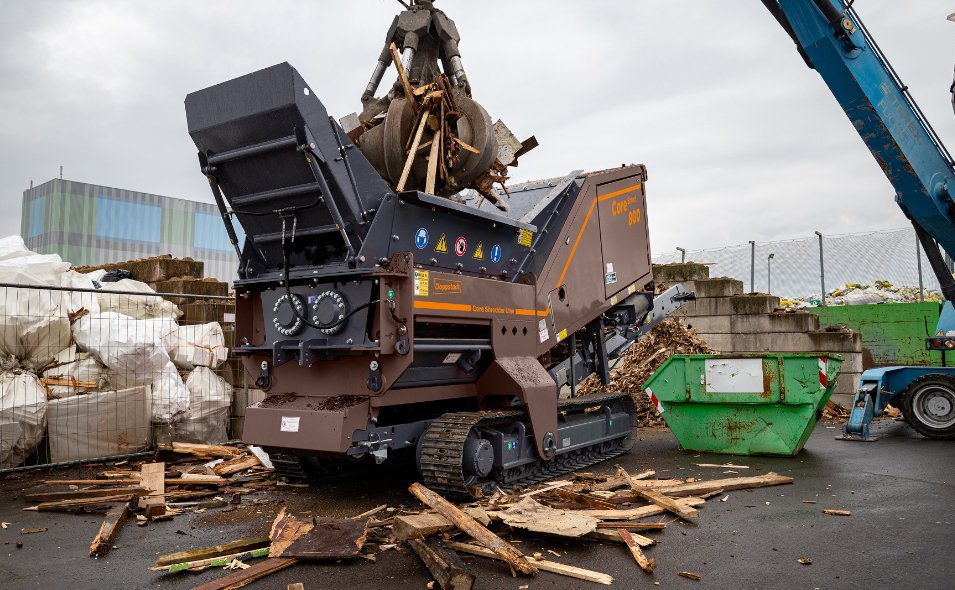
Doppstadt CoreShred 800
The CoreShred 800 is the mid-sized twin-shaft option, combining a larger feed area and 315 HP with the flexibility to process different waste streams.
It is designed for operations that need greater production capacity while maintaining the versatility and mobility of the CoreShred concept.
Doppstadt CoreShred 900
At the top of the CoreShred lineup, the CoreShred 900 is built for high-volume and demanding applications.
Its 543 HP drivetrain and larger twin-shaft shredding system make it suitable for major waste processing applications, including difficult material streams where high production capacity and interchangeable shredding configurations are required.
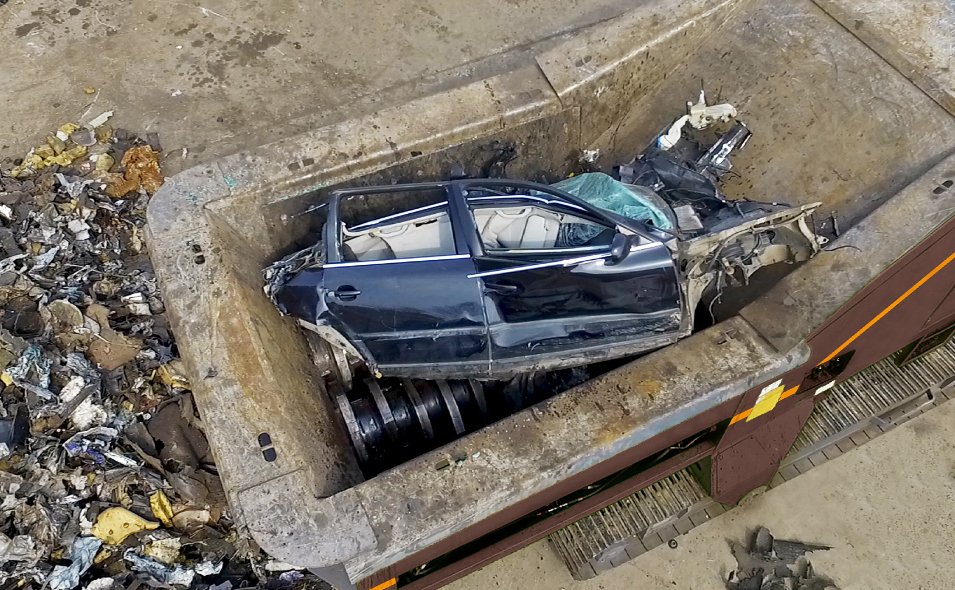
Choosing the Right Slow-Speed Shredder
The best place to start is not with horsepower or machine size. Start with the material.
What are you processing? How much material moves through your operation? What contaminants are present? How small does the material need to be? And where does it go after shredding?
Those answers help determine whether a single-shaft INVENTHOR or twin-shaft CoreShred is the better approach, as well as the machine size and shredding configuration required.
Doppstadt's lineup ranges from the compact CoreShred 250 to high-capacity machines such as the INVENTHOR 9 and CoreShred 900, providing options for different material streams and production requirements.
Explore Westerra Equipment's Doppstadt slow-speed shredder lineup or contact our Material Recycling Team to discuss your application, required throughput and end-product goals.