
Preventive Maintenance: Small Steps, Big Savings
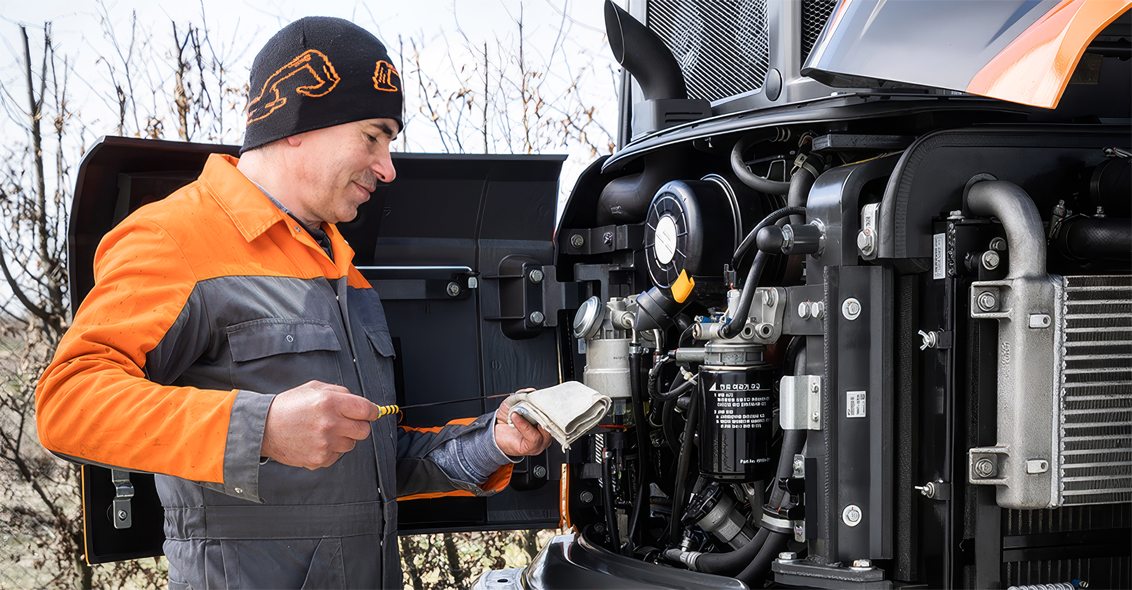
When it comes to heavy machinery, preventive maintenance is the key to keeping fleets running efficiently and avoiding costly downtime. Simply put, it’s about performing routine inspections, lubrication, and servicing before problems arise, ensuring equipment stays in the correct operating condition while reducing long-term expenses.
The Benefits are Clear:
- Lower repair costs by catching issues early
- Longer machine life through reduced wear
- Improved safety and performance
- Less downtime and more productivity
Skipping maintenance might seem like a short-term time saver, but it often leads to major component damage, unexpected failures, and significantly higher repair bills down the road. Daily (10-hour) inspections are simple but critical. These quick checks help identify problems before they escalate into major repairs:
- Engine oil level
- Transmission oil condition
- Hydraulic oil levels
- Coolant levels and proper antifreeze mix
- Fuel quality and tank condition
- Grease points and lubrication
IMPORTANT: Always clean grease fittings before applying grease. Dirt or sand contamination turns grease into a grinding compound, accelerating wear instead of preventing it.
Even small daily habits, like filling the fuel tank at the end of the day to prevent condensation or draining water from fuel separators, can prevent serious engine damage and performance loss. Beyond daily checks, structured service intervals ensure long-term machine health.
Weekly (50-hour) maintenance typically includes:
- Lubricating key joints and pivot points
- Cleaning the radiator, oil cooler, and condenser
- Inspecting filters and belts
While specific timelines vary by machine, typical key service intervals include:
- 250 hours: Engine oil change, air filter service, fuel system drainage
- 500 hours: Replace fuel and hydraulic filters
- 1000 hours: Transmission service and major inspections
- 2000 hours: Hydraulic oil and coolant replacement
Using the correct oils, fuels, and coolant is just as important as performing the maintenance itself. Incorrect or contaminated fluids can lead to premature wear, reduced performance, and costly failures.
Maintenance isn’t just about tools, it’s about knowledge. Following the specific operation and maintenance manual for each piece of equipment ensures proper procedures are followed, and helps operators and technicians detect early warning signs.
The Bottom Line:
Preventive maintenance is NOT an added cost, it’s an investment. A few minutes each day and consistent scheduled service can increase uptime, reduce expenses, and extend equipment life.
Not sure where to start with your maintenance schedule? Let us help!
Connect with our team and set up a customized, hassle-free preventive maintenance plan for your entire fleet.