
Skid Steer vs. Excavator: Choosing the Right Machine for Mulching
October 27, 2026
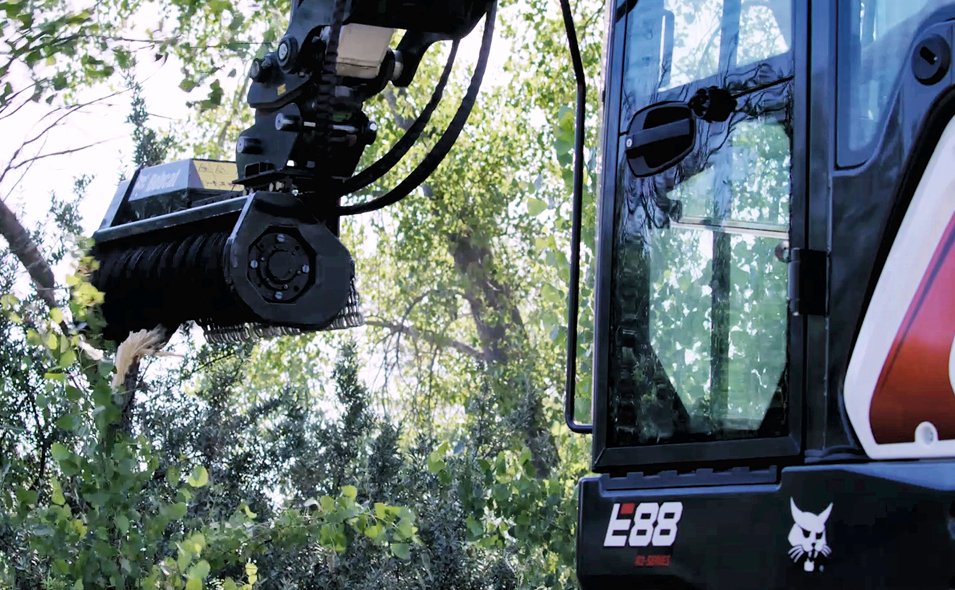
Forestry mulching is an efficient way to clear vegetation, manage overgrowth, and prepare land without the need for extensive debris removal. Both skid steers and excavators can handle mulching applications, but selecting the right machine depends on the terrain, type of vegetation, working conditions, and project requirements.
Understanding the strengths of each machine can help contractors improve productivity, manage operating costs, and achieve better results on the jobsite.
1. Consider the Type and Volume of Vegetation
The size, density, and quantity of vegetation are important factors when selecting mulching equipment.
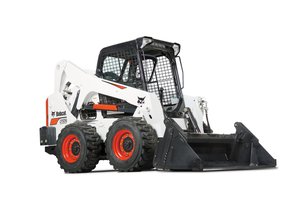
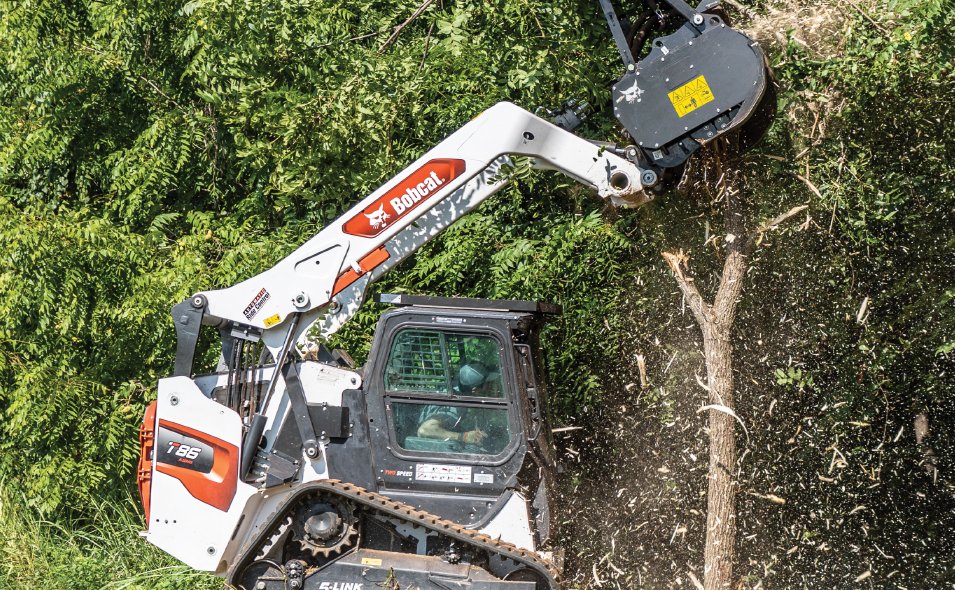
Skid Steers and Compact Track Loaders are well suited for high-production, ground-level mulching. Their manoeuvrability and travel speed allow operators to move efficiently through brush, small trees, and dense vegetation, particularly across open or relatively level areas.
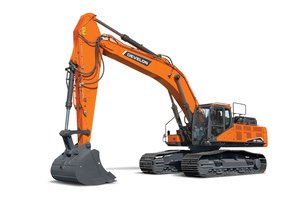
Excavators offer a different approach. Although they typically travel more slowly, their hydraulic boom and extended reach allow operators to position mulching attachments precisely. This makes them useful for selectively removing vegetation or accessing material that cannot be reached directly from the machine's travel path.
Both machines can deliver effective cutting performance when equipped with appropriately sized mulching attachments.
2. Evaluate the Terrain and Jobsite Accessibility
Ground conditions can significantly influence equipment selection.
Skid steers perform well on accessible terrain where operators can travel directly through the work area. Compact track loaders provide additional traction and flotation compared with wheeled machines, making them particularly useful on softer or uneven ground.
Excavators have an advantage when working around steep embankments, drainage ditches, obstacles, and other difficult-to-access locations. Their extended boom allows the mulching attachment to reach vegetation while the machine remains positioned on suitable, stable ground.
Before selecting equipment, consider soil conditions, slopes, available working space, and any obstacles that could restrict machine movement.
3. Determine the Required Reach and Working Position
How the mulching attachment needs to engage vegetation is just as important as where the machine operates.
Skid steer mulchers generally work directly in front of the carrier, making them effective for clearing continuous paths, maintaining trails, and removing ground-level vegetation. Their ability to advance through material supports efficient coverage across larger areas.
Excavator-mounted mulchers provide greater flexibility in attachment positioning. Operators can reach above, below, or around obstacles without repositioning the entire machine as frequently.
This makes excavators particularly useful for roadside vegetation management, utility right-of-way maintenance, ditch clearing, and work along embankments.
The ideal machine is one that allows the operator to maintain an effective cutting position while minimizing unnecessary travel and repositioning.
4. Balance Equipment Costs and Versatility
Equipment selection should also reflect how frequently the machine will be used and the variety of work it needs to perform.
Skid steers are versatile machines that can accommodate numerous attachments for grading, material handling, site cleanup, snow removal, and vegetation management. For contractors handling different types of projects, this versatility can help maximize equipment utilization and return on investment.
Excavators typically involve a larger initial investment, depending on machine size and configuration. However, their reach and positioning capabilities can deliver significant value for contractors regularly working in challenging terrain or specialized vegetation management applications.
Attachment compatibility is another important consideration. Hydraulic flow, operating pressure, machine capacity, and manufacturer requirements must all be evaluated to ensure the carrier and mulching head are properly matched. Appropriate guarding and operating procedures are also essential for safe mulching operations.
Selecting the Best Machine for the Job
There is no single machine that performs best in every mulching application. Skid steers offer speed, manoeuvrability, and versatility for accessible, ground-level clearing, while excavators provide the reach and positioning flexibility needed for more challenging locations.
By evaluating vegetation density, terrain, working reach, and long-term equipment utilization, contractors can select a machine and attachment combination that supports efficient, productive mulching operations.